5 Axis Laser Cutting for Precision Metal Fabrication
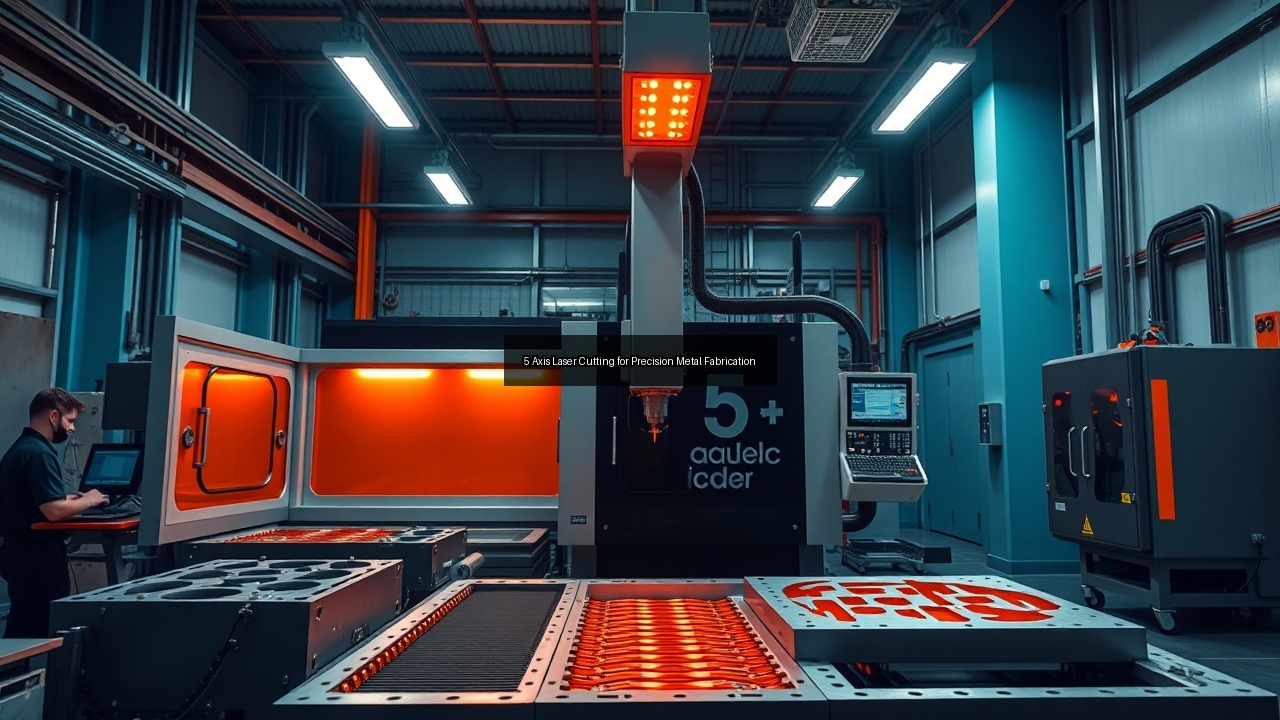
Understanding 5 Axis Laser Cutting Technology
The Evolution of Laser Cutting
Laser cutting has transformed the landscape of manufacturing since its inception in the 1960s. Initially utilized for simple tasks, advancements in technology have propelled laser cutting into a critical role in precision metal fabrication. The introduction of computer numerical control (CNC) technology revolutionized the process, allowing for automated, highly accurate cuts. Over the years, the evolution of laser cutting technology has embraced various wavelengths and power levels, making it suitable for a wide range of materials. Today, 5 axis laser cutting stands at the forefront of this evolution, offering unparalleled precision and versatility that traditional methods simply cannot match.
How 5 Axis Technology Enhances Precision
5 axis laser cutting integrates five different axes of movement, allowing the laser cutter to approach the workpiece from multiple angles. This capability significantly enhances the precision of laser cuts, enabling intricate designs that would be impossible with standard 2D or even 3D laser cutting methods. The multi-axis approach minimizes the need for secondary operations, reducing material waste and streamlining the fabrication process. This technology excels in creating complex geometries and fine details, making it indispensable in industries where precision is paramount, such as aerospace, automotive, and medical device manufacturing.
Comparing 5 Axis with Traditional Laser Cutting Methods
Traditional laser cutting methods, while effective for straightforward applications, often fall short when dealing with complex shapes and angles. Standard 2D laser cutting operates on a flat plane, limiting its functionality. In contrast, 5 axis laser cutting provides a three-dimensional approach, allowing for cuts that follow the contours of the material. This capability not only enhances design freedom but also improves the quality of the finished product, resulting in cleaner edges and reduced need for post-processing. The comparison clearly shows that 5 axis technology offers significant advantages in precision, efficiency, and versatility over traditional techniques.
Applications of 5 Axis Laser Cutting in Metal Fabrication
Industries Benefiting from 5 Axis Laser Cutting
Several industries benefit immensely from the adoption of 5 axis laser cutting technology. The aerospace industry relies on this precision for creating lightweight components that require intricate designs. In automotive manufacturing, 5 axis laser cutting helps produce complex parts that enhance vehicle performance and safety. Medical device manufacturing also leverages this technology for producing components with tight tolerances and specific geometries. Other sectors, such as HVAC and stamping, utilize 5 axis capabilities to produce custom parts and fittings efficiently. The adaptability of 5 axis laser cutting makes it invaluable across various applications, driving innovation and efficiency within these industries.
Precision Metal Fabrication Techniques
Precision metal fabrication encompasses a range of techniques designed to achieve exact specifications and high-quality finishes. 5 axis laser cutting plays a pivotal role in this process, allowing for rapid prototyping, intricate design creation, and efficient production runs. The combination of high-speed cutting and advanced software integration enables fabricators to create complex designs quickly and accurately. Techniques such as laser etching and engraving can also be seamlessly integrated into the fabrication process, offering additional customization options. This level of precision is essential not only for aesthetic appeal but also for ensuring the functionality and performance of the final products.
Integration with CNC Machining and CAM
5 axis laser cutting does not operate in isolation. It often integrates seamlessly with CNC machining and computer-aided manufacturing (CAM) systems. This integration enhances the overall manufacturing process by allowing for greater control and precision throughout the production cycle. Engineers can design components using advanced software that directly interfaces with laser cutting machines, ensuring that the final product meets exact specifications. The synergy between these technologies minimizes errors and increases efficiency, making it easier for manufacturers to adapt to changing market demands. This holistic approach to metal fabrication sets a new standard in quality and productivity.
The Laser Cutting Process Explained
Components of a Laser Cutting Machine
A laser cutting machine consists of several key components that work together to achieve high precision and efficiency. At its core, the machine features a laser source, typically a fiber or CO2 laser, which generates the laser beam. This beam is then directed through a series of mirrors and lenses to focus it onto the workpiece. The machine also includes a motion control system that allows for precise movement along multiple axes. Additionally, a cooling system helps maintain optimal operating temperatures, and software interfaces allow operators to customize cutting parameters. Together, these components enable the laser cutter to produce intricate designs with exceptional accuracy.
Step-by-Step Overview of the Laser Cutting Process
The laser cutting process begins with the design phase, where engineers create detailed plans using CAD software. Once the design is finalized, the data is transferred to the laser cutting machine. The machine then prepares the material by securing it in place. As the laser cutter begins operation, it focuses the laser beam on the material, melting or vaporizing it along the designated cut paths. The process can be adjusted for speed and intensity, depending on the material's thickness and type. After the cutting is complete, any residual material is removed, and the finished parts undergo quality checks to ensure they meet specifications. This step-by-step methodology highlights the efficiency and precision of the laser cutting process.
Quality Control in Laser Cutting Services
Quality control is paramount in laser cutting services to ensure that every product meets industry standards and client expectations. Manufacturers implement rigorous testing and inspection protocols throughout the cutting process. Automated systems may monitor the laser's performance and adjust parameters in real time to maintain high-quality cuts. Post-production, finished parts undergo additional inspections to check for dimensional accuracy and surface finish. Certification processes may also be applied, especially in regulated industries such as aerospace and medical manufacturing. By emphasizing quality control, manufacturers can confidently deliver products that meet the stringent requirements of their clients.
Choosing the Right 5 Axis Laser Cutting Service
Factors to Consider When Selecting Laser Cutting Services
Choosing the right 5 axis laser cutting service requires careful consideration of several factors. First, assess the service provider's experience and expertise in handling projects similar to yours. Look for a company with a proven track record in precision metal fabrication. Evaluate their equipment and technology; modern, high-quality laser cutting machines can significantly impact the quality of the final product. Additionally, 5 axis laser cutting services consider the turnaround time and customer support offered. Establishing a clear line of communication can facilitate smoother project management. Finally, obtaining references or testimonials from previous clients can provide insights into the service provider's reliability and quality.
Cost-Benefit Analysis of 5 Axis Laser Cutting
Conducting a cost-benefit analysis of 5 axis laser cutting reveals its long-term advantages over traditional methods. While the initial investment in advanced laser cutting technology may be higher, the precision and efficiency five axis laser cutting gained often lead to lower operational costs. Reduced material waste and decreased labor requirements contribute to overall savings. Additionally, the ability to produce complex shapes without the need for secondary processes can significantly lower production times, allowing for faster go-to-market strategies. This cost-benefit ratio makes 5 axis laser cutting a compelling option for businesses aiming to enhance their manufacturing capabilities.
Future Trends in Laser Cutting Technology
The future of laser cutting technology appears promising, with several trends shaping its evolution. Advancements in laser sources, such as ultra-fast lasers, will enable even more precise cuts and reduced heat-affected zones. Automation and machine learning will likely play a larger role in the operation of laser cutting machines, optimizing performance and minimizing errors. Additionally, the integration of augmented reality (AR) and virtual reality (VR) in design processes may revolutionize how engineers visualize and interact with their projects. As industries continue to embrace digital transformation, 5 axis laser cutting will remain at the forefront, driving innovation in metal fabrication and beyond.
See Also
- 5 Axis Laser Cutting for Prototyping and Production Needs
- Maximizing Efficiency with 5 Axis Laser Cutting Equipment
- Exploring the Benefits of 5 Axis Laser Cutting Services
- Navigating the Laser Cutting Process with 5 Axis Technology
- How 5 Axis Laser Cutting Services are Transforming CNC Machining Industries