Exploring the Advantages of Spun Aluminum in Modern Manufacturing
The Metal Spinning Process: An Overview
Understanding Metal Spinning
Metal spinning, a manufacturing process that shapes metal into cylindrical forms, plays a crucial role in various industrial applications. This technique involves rotating a metal disc at high speeds while applying pressure to a tool that molds the material into the desired shape. The result is a seamless, uniform product that can meet precise specifications. This process is particularly effective for materials like aluminum, which is malleable and lightweight, allowing for intricate designs and high-quality finishes. Spun aluminum, in particular, benefits from this method due to its ability to be shaped without compromising structural integrity. From decorative elements to functional components, metal spinning showcases the versatility and efficiency of modern manufacturing techniques.
The Role of Spun Aluminum in Manufacturing
Spun aluminum serves as a vital component in many manufacturing sectors, thanks to its unique properties that cater to specific needs. The lightweight nature of aluminum enhances the efficiency of products without sacrificing strength. Spun aluminum pieces are often used in applications where weight reduction is essential, such as in the aerospace and automotive industries. Moreover, the smooth finish achieved through the metal spinning process minimizes the need for additional machining, saving both time and resources. Manufacturers appreciate the flexibility of spun aluminum, as it can be customized to meet varying design specifications while maintaining cost-effectiveness. This adaptability positions spun aluminum as a preferred choice for engineers and designers looking spinning aluminum alloy to optimize their products.
Comparison with Metal Stamping Techniques
While metal stamping is a widely used technique in manufacturing, the benefits of spun aluminum highlight its distinctions. Metal stamping involves cutting and shaping metal sheets into parts through high-pressure machinery. This method can produce large quantities quickly but often results in waste due to the cutting process. In contrast, metal spinning minimizes waste by utilizing a singular piece of material, transforming it into a finished product. Additionally, spun aluminum allows for more complex shapes and designs that metal stamping might struggle to achieve. The flexibility of spun aluminum enables manufacturers to create both small-batch and high-volume orders efficiently, giving it a competitive edge in the modern manufacturing landscape.
Advantages of Spun Aluminum in Modern Applications
Lightweight Properties and Their Impact on Design
The lightweight properties of spun aluminum significantly influence design innovation across various industries. Products made from aluminum are lighter than those made from other metals, such as steel or copper, making them easier to handle, transport, and install. This reduction in weight leads to improved fuel efficiency, particularly in the automotive and aerospace sectors, where every ounce counts. Designers leverage the lightweight nature of spun aluminum to create more aerodynamic shapes, enhancing performance and functionality. Furthermore, the ability to achieve complex geometries without heavy reinforcements allows for more creative freedom in product development. As engineers and designers prioritize efficiency and sustainability, spun aluminum’s lightweight attributes become increasingly advantageous in modern applications.
Cost-Effectiveness of Spun Aluminum
Cost-effectiveness stands out as a significant advantage of using spun aluminum in manufacturing. The metal spinning process requires less material compared to traditional methods like metal stamping, which often generates waste. By minimizing scrap, manufacturers can reduce overall production costs. Additionally, the efficient nature of spinning allows for quicker turnaround times, contributing to lower labor costs. Spun aluminum also boasts an extended lifecycle, thanks to its durability and resistance to corrosion, which further enhances its cost-effectiveness over time. Companies looking to balance quality and affordability often find spun aluminum to be a compelling choice, providing high performance without excessive expenditure.
Durability and Resistance to Corrosion
Durability and resistance to corrosion are essential factors that make spun aluminum a preferred material in many applications. Unlike other metals that may rust or degrade over time, aluminum naturally forms a protective oxide layer when exposed to air, preventing further corrosion. This characteristic makes spun aluminum ideal for outdoor applications, such as tanks and pressure vessels, where spinning aluminum alloy exposure to the elements can be a concern. Manufacturers benefit from using spun aluminum as it ensures longevity and reliability in their products. The inherent strength of aluminum also allows spun pieces to withstand significant stress and pressure without deforming, which is crucial in industries requiring high-performance components. This combination of durability and corrosion resistance solidifies spun aluminum’s reputation as a dependable choice in modern manufacturing.
Applications of Spun Aluminum Across Industries
Use in Tanks and Pressure Vessels
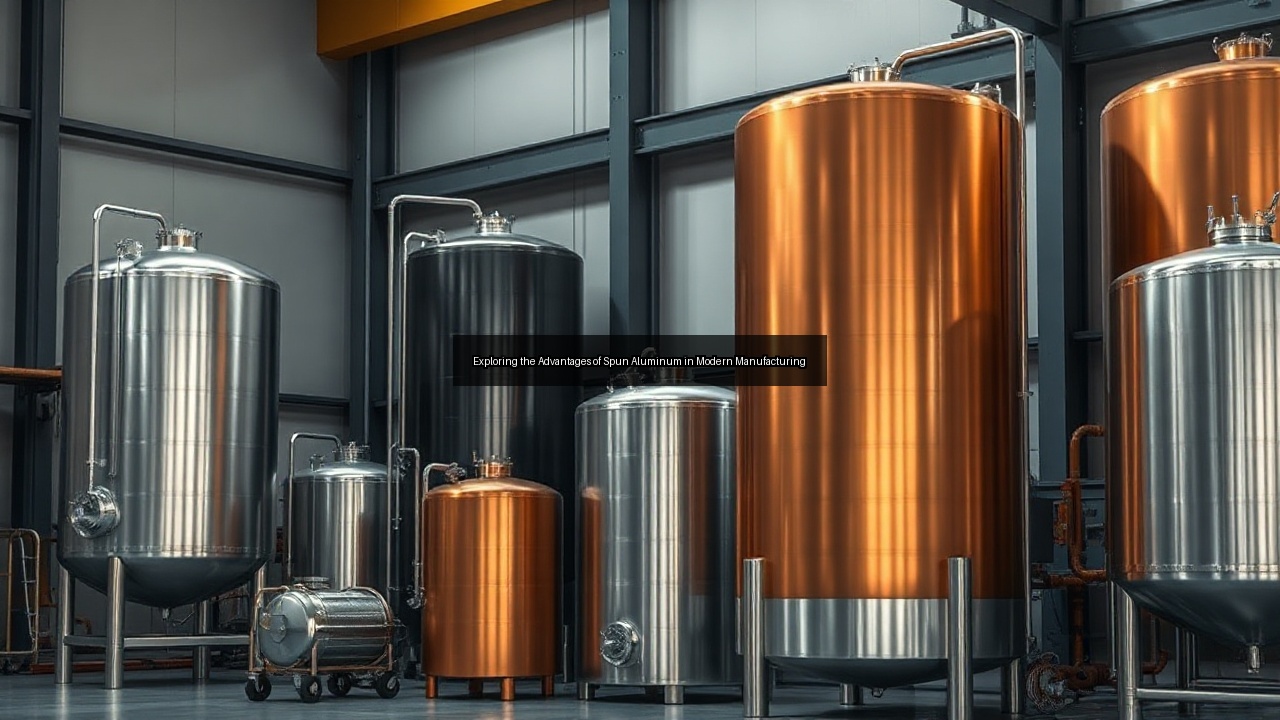
Spun aluminum finds extensive use in the production of tanks and pressure vessels, showcasing its versatility and reliability. The metal spinning process allows manufacturers to create seamless and robust containers capable of withstanding high pressure and varying temperatures. These tanks are essential in industries such as chemical processing, water treatment, and fuel storage, where safety and durability are paramount. The lightweight nature of spun aluminum also simplifies the installation and transportation of these vessels, making them easier to handle than heavier alternatives. Furthermore, the corrosion-resistant properties of aluminum ensure that these tanks maintain their integrity over time, reducing maintenance costs and prolonging service life. As industries continue to seek efficient and safe solutions, spun aluminum’s role in tank and pressure vessel production will likely expand.
Innovative Designs with Spun Aluminum Alloys
Innovative designs increasingly rely on spun aluminum alloys, which combine the benefits of aluminum with the enhanced properties of other metals. By integrating elements like magnesium, silicon, or copper, manufacturers can tailor spun aluminum to meet specific performance requirements. This adaptability fosters creativity in product design, enabling the creation of lightweight, strong, and aesthetically pleasing components. Industries such as architecture, automotive, and consumer electronics leverage these innovative designs to produce eye-catching products that stand out in the market. The combination of functional performance and visual appeal makes spun aluminum alloys a go-to choice for designers looking to push the boundaries of modern manufacturing while ensuring quality and durability.
The Growing Demand for Spun Aluminum in Aerospace and Automotive
The aerospace and automotive industries drive the growing demand for spun aluminum, recognizing its advantages in weight reduction, strength, and cost-effectiveness. In aerospace applications, every gram counts, and spun aluminum provides the lightweight solutions engineers seek to enhance fuel efficiency and performance. Components such as fuselage sections, brackets, and housings benefit from the precision and durability of spun aluminum. Similarly, in the automotive sector, manufacturers increasingly utilize spun aluminum for parts such as wheels, heat shields, and engine components. As these industries prioritize sustainability and performance, the demand for spun aluminum continues to rise, positioning it as a critical material in the future of manufacturing. This trend indicates a robust future for spun aluminum as innovations evolve and industries adapt to new challenges.