The Price Tag Dilemma Galvanized Steel or Stainless Steel
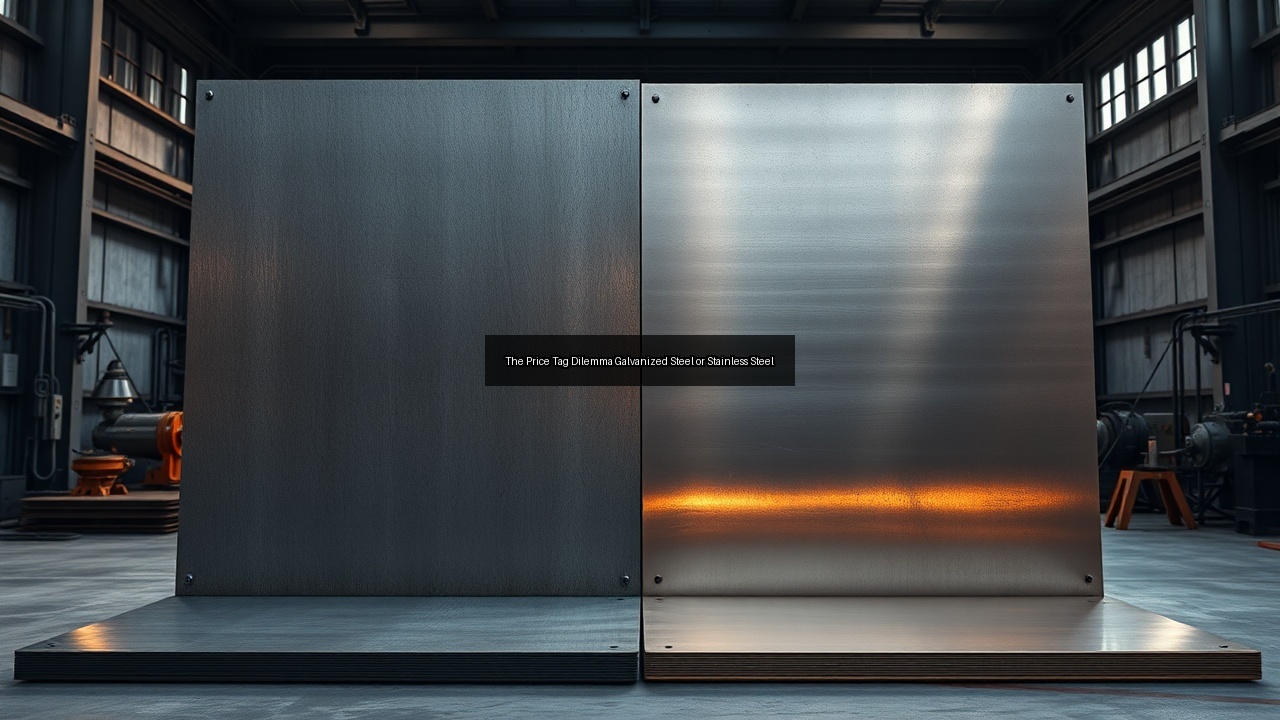
Understanding Galvanized Steel and Stainless Steel
What is Galvanized Steel?
Galvanized steel is a type of steel that undergoes a process called galvanization, which involves coating the metal with a layer of zinc. This protective layer significantly enhances the steel's resistance to corrosion, making it ideal for outdoor applications and environments prone to moisture. The galvanization process not only increases the durability of the steel but also extends its lifespan, ensuring that it remains functional even under challenging conditions. Common uses include construction materials, automotive parts, and various sheet metal applications. The affordability and effectiveness of galvanized steel make it a popular choice among manufacturers and builders.
What is Stainless Steel?
Stainless steel is an alloy primarily composed of iron, carbon, and a minimum of 10.5% chromium. This unique composition provides stainless steel with exceptional corrosion resistance, making it suitable for a wide range of applications, from kitchen appliances to pressure vessels and medical equipment. The chromium in stainless steel forms a thin, protective layer of chromium oxide on the surface, preventing further corrosion. Stainless steel comes in various grades, each tailored for specific uses, such as marine environments where saltwater can accelerate corrosion. Its aesthetic appeal, strength, and longevity contribute to its popularity in both industrial and consumer products.
Key Differences Between Galvanized and Stainless Steel
The primary distinction between galvanized steel and stainless steel lies in their corrosion resistance and chemical composition. Galvanized steel relies on a protective zinc coating to shield the underlying steel from rust and corrosion. In contrast, stainless steel derives its corrosion resistance from its chromium content, making it inherently more durable, especially in harsh environments. Another notable difference involves their applications; galvanized steel is often used in construction and outdoor settings, while stainless steel finds favor in areas demanding both durability and aesthetic appeal. When comparing galvanized steel vs stainless steel, cost often plays a significant role. Galvanized steel typically costs less upfront, while stainless steel may offer better long-term value due to its longevity.
Corrosion Resistance and Durability
Corrosion Resistance of Stainless Steel
Stainless steel boasts remarkable corrosion resistance due to its unique alloy composition. The presence of chromium creates a self-healing oxide layer on the surface, providing a barrier against moisture, chemicals, and environmental factors that lead to rusting. This attribute is particularly advantageous in industries like food processing and pharmaceuticals, where hygiene is paramount. Various grades of stainless steel, such as 304 and 316, offer differing levels of corrosion resistance, tailored for specific applications. For instance, grade 316 stainless steel contains molybdenum, enhancing its resistance to chlorides and making it suitable for marine environments. The inherent durability of stainless steel reduces the frequency of replacements, thereby lowering maintenance costs and improving overall sustainability.
The Role of Galvanization in Preventing Rust
Galvanization plays a crucial role in preventing rust on steel surfaces. The zinc coating acts as a sacrificial barrier; it corrodes more easily than the underlying steel, thus protecting it from rusting. This process not only prolongs the life of the steel but also reduces maintenance needs. When exposed to harsh weather conditions, the zinc coating provides an initial line of defense, preventing moisture from coming into direct contact with the steel. As the zinc oxidizes, it forms a protective layer that can last for decades. However, once the zinc layer wears away, the underlying steel becomes vulnerable to corrosion. Understanding the protective properties of galvanized steel is vital for industries relying on longevity and reliability in metal products.
Comparing the Lifespan of Both Materials
The lifespan of galvanized steel versus stainless steel varies significantly based on environmental conditions and application. Galvanized steel can last up to 30 years in outdoor conditions, depending on the thickness of the zinc coating and exposure to elements. However, in highly corrosive environments, this lifespan may be significantly reduced. Stainless steel, on the other hand, can last a lifetime without significant degradation, making it a superior choice for applications where longevity is crucial. Industries that utilize pressure vessels or critical infrastructure often prefer stainless steel due to its extended lifespan and low maintenance needs. When evaluating the longevity of galvanized steel vs stainless steel, the choice ultimately depends on the specific environmental factors and intended use.
Weldability and Fabrication Techniques
Welding Galvanized Steel: Challenges and Solutions
Welding galvanized steel presents unique challenges primarily due to the presence of zinc. When heated, zinc can vaporize and produce hazardous fumes, posing health risks to welders and requiring proper ventilation. Furthermore, the zinc coating can lead to poor weld quality if not adequately removed before welding. To overcome these challenges, welders often use techniques such as grinding or sanding the surfaces to eliminate the zinc layer at the weld joint. Additionally, employing the right welding method, such as MIG or TIG welding, can improve results. Understanding the specific welding requirements for galvanized steel is crucial for ensuring strong, durable joints while maintaining safety protocols.
Stainless Steel Welding: Techniques and Advantages
Welding stainless steel is generally more straightforward than welding galvanized steel due to the absence of a problematic coating. The primary challenge arises from the need to maintain the integrity of the chromium oxide layer during the welding process. Techniques like TIG welding are favored for stainless steel as they provide precise control over heat input, minimizing distortion and preserving corrosion resistance. Moreover, stainless steel can be welded without the need for extensive surface preparation, making it more efficient in fabrication processes. The versatility of stainless steel welding techniques allows for various joints and configurations, offering advantages in both structural and aesthetic applications.
Laser Cutting: Suitability for Both Metals
Laser cutting has gained popularity in the metal industry for its precision and efficiency, making it suitable for both galvanized and stainless steel. This method allows for intricate designs and tight tolerances, essential in modern manufacturing. Laser cutting works effectively with galvanized steel, but operators must be cautious about the fumes generated from the zinc coating. On the other hand, stainless steel cuts cleanly without the same level of concern for contaminants. The choice between laser cutting galvanized vs stainless steel often depends on the specific requirements of the project, including material thickness and desired finish. Both materials benefit from the speed and accuracy of laser cutting, making it a preferred method in contemporary metal fabrication.
Cost Considerations and Sustainability
Price Comparison: Galvanized Steel vs Stainless Steel
When comparing prices, galvanized steel typically comes out as the more economical choice. The galvanization process adds a layer of protection, but it remains less expensive than the production of stainless steel. Factors such as the cost of raw materials and manufacturing processes play a significant role in this price difference. Galvanized steel is often favored in applications where cost is a primary concern, such as construction and agricultural equipment. However, while galvanized steel may be cheaper initially, the long-term costs associated with maintenance and replacement can tip the scales in favor of stainless steel, especially in corrosive environments where durability is essential.
Sustainability in Metal Production
Sustainability in metal production increasingly influences purchasing decisions. Both galvanized steel and stainless steel have their environmental impacts, but their sustainability profiles differ. Stainless steel has a significant advantage due to its recyclability; up to 90% of stainless steel can be recycled without losing its properties. This recyclability reduces the overall carbon footprint associated with steel production. Galvanized steel, while also recyclable, can pose challenges due to the zinc coating, which must be properly managed during recycling processes. The metal industry is increasingly focusing on sustainable practices, and choosing materials that minimize environmental impact is vital for future generations.
Economic Impacts and Long-term Investment
Investing in galvanized steel vs stainless steel involves weighing upfront costs against long-term value. Galvanized steel offers immediate savings, making it attractive for budget-conscious projects. However, the potential for rust and the need for replacement or maintenance can lead to higher costs over time. In contrast, stainless steel presents a higher initial investment but pays off in longevity and reduced maintenance. The choice ultimately depends on project goals, budget constraints, and the environmental conditions the materials will face. Evaluating economic impacts not only involves direct costs but also considers the sustainability and overall lifecycle of the materials.